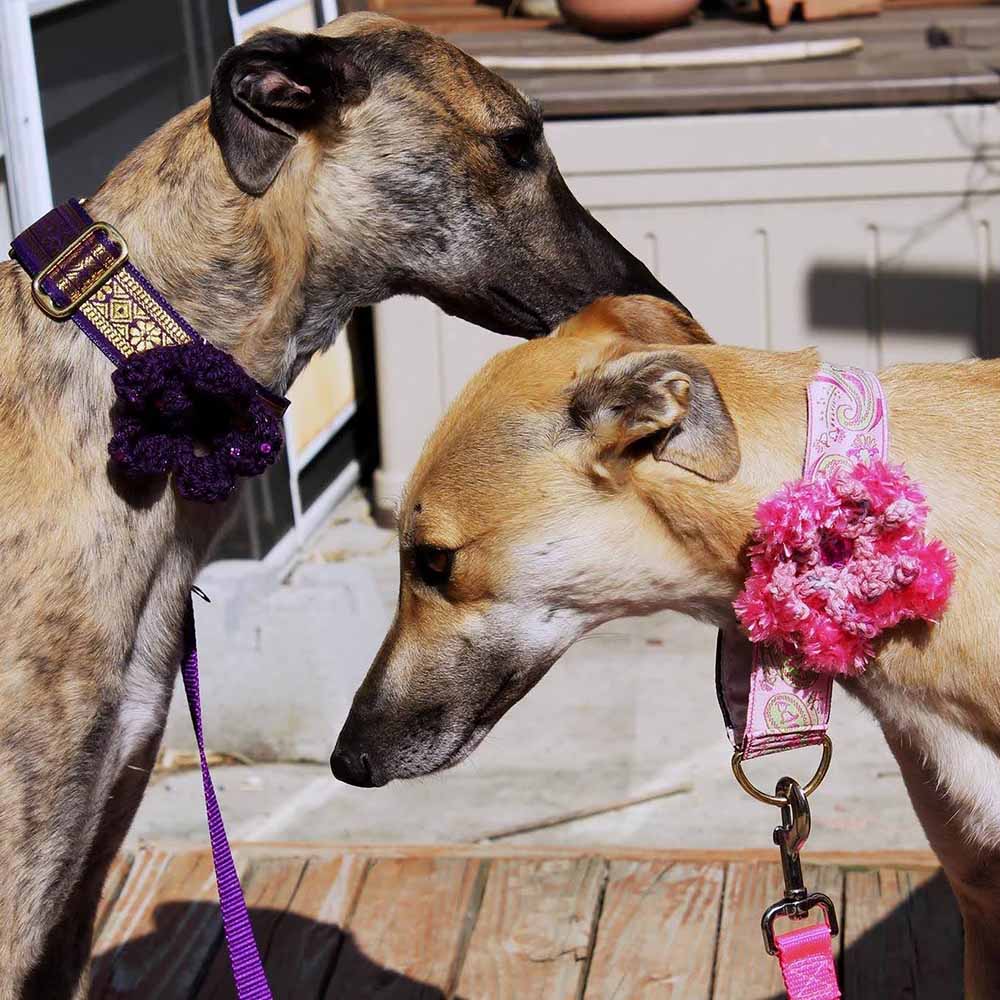
Dedicated Pet Parents and Brave Dogs come together to advance Lifesaving Research.
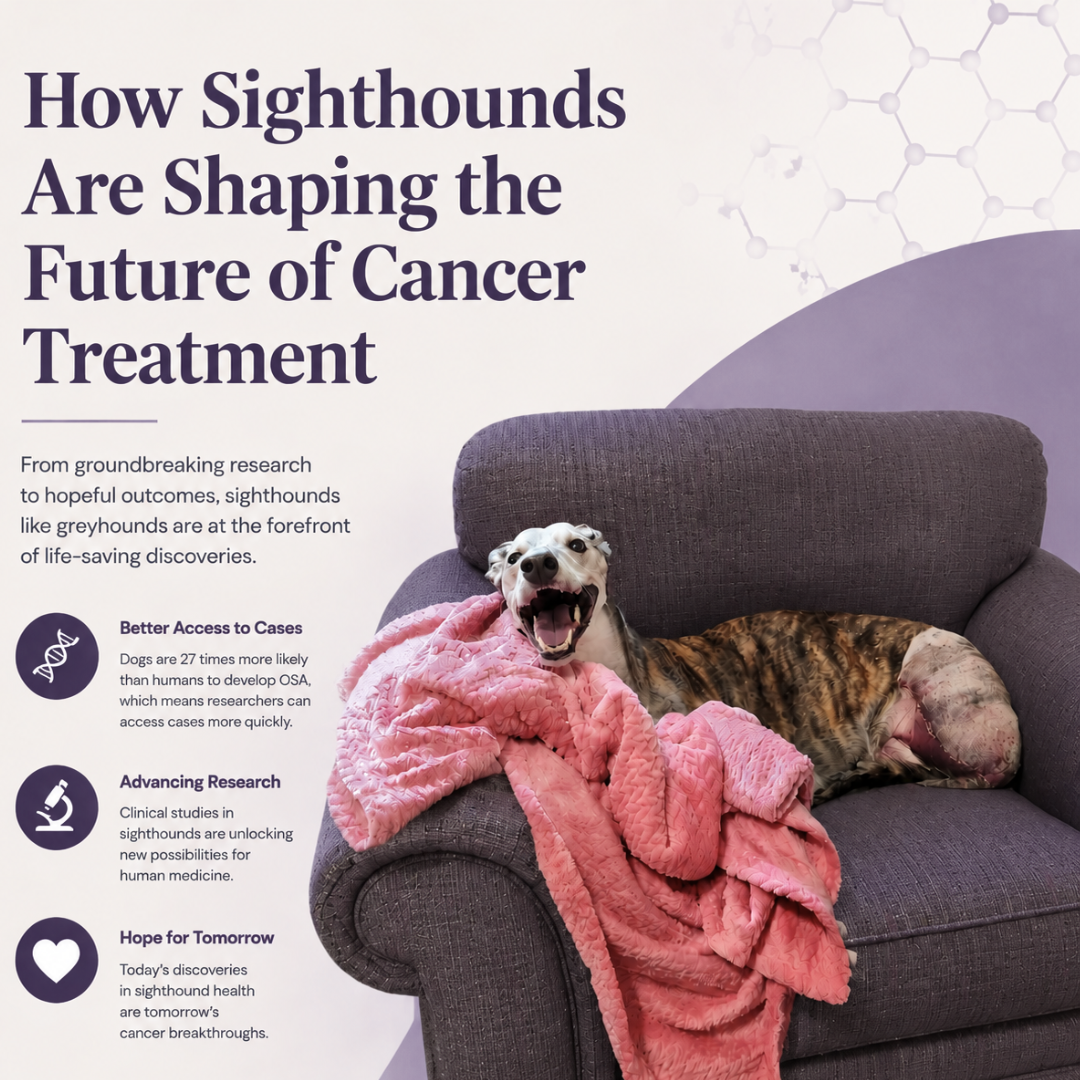
Thanks to the courage of the dogs and families who donated tumor samples, researchers have made a major step forward in developing new cancer treatments for pets. In this groundbreaking study, PennVet scientists discovered that dogs’ tumors contain powerful immune cells — called tumor‑infiltrating lymphocytes (TILs) — that can be collected, grown, and activated to recognize and attack cancer.
This is a big deal. Until now, we didn’t know whether TIL therapy, which has helped human melanoma patients, could work in dogs with cancers like oral melanoma and osteosarcoma — diseases that affect many sighthounds and are often difficult to treat.
The study found that:
It is feasible to isolate T cells from osteosarcoma samples and generat functional TIL products from them.
 GHI’s Role in Making This Possible
 GHI’s Role in Making This Possible
The Greyhound Health Initiative is proud to partner with PennVet, Dr. Nicola Mason, and Dr. Kay Foos to help recruit canine patients for this research. Because of this partnership — and because of the generosity of sighthound families — scientists now have the evidence they need to move toward clinical trials and new therapeutic options.
The Work Isn’t Finished — New Participants Are Needed
 The Work Isn’t Finished — New Participants Are Needed
This research is ongoing, and more dogs are needed to continue advancing TIL therapy. Samples are also being used to determine sensitivity of each dog’s tumor to particular chemotherapies. This work is in its early stages but advances are being made. Every new participant helps researchers refine the process, understand which cancers respond best, and bring us closer to treatments that could give sighthounds more time and better outcomes.
Learn More About Current Research
 Learn More About Current Research
You can explore our active studies, ongoing collaborations, and educational resources below. Your support — and your dogs’ bravery — are directly shaping the future of cancer care. Read the full article below.
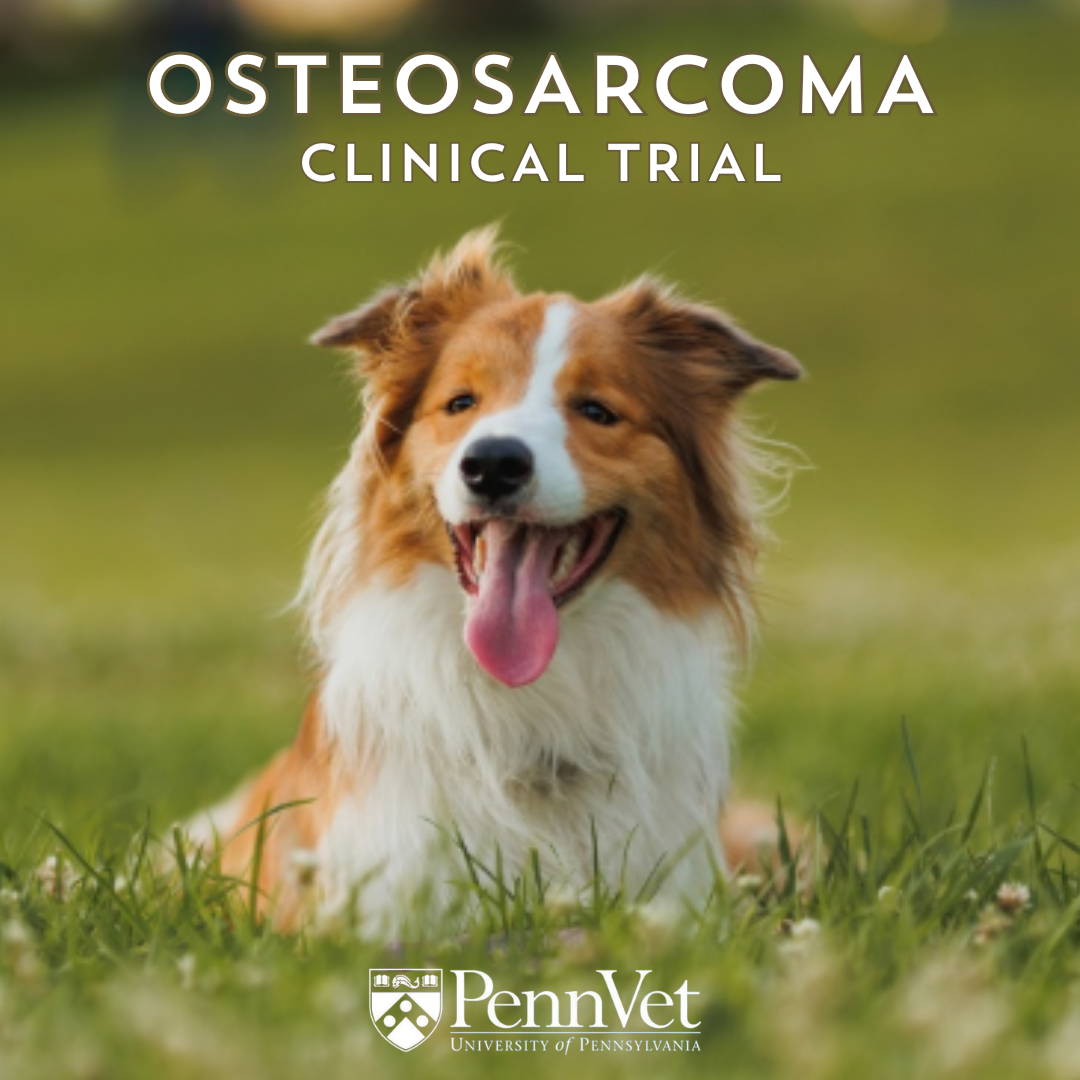
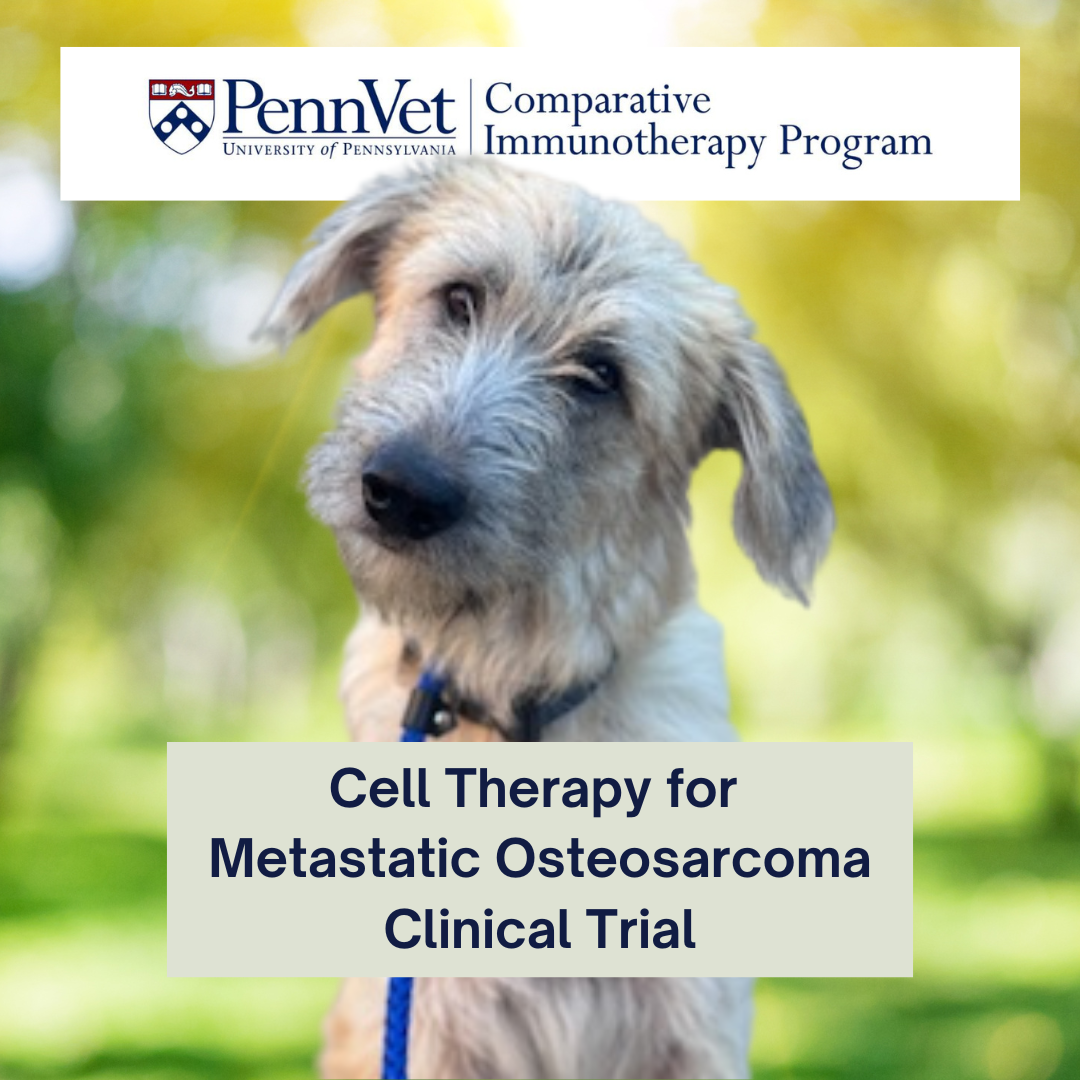
PennVet is now enrolling dogs newly diagnosed with osteosarcoma in a clinical trial evaluating iNKT‑cell–based therapy. This trial will pay for amputation, standard of care chemo and more. Click to see whether your pet qualifies.
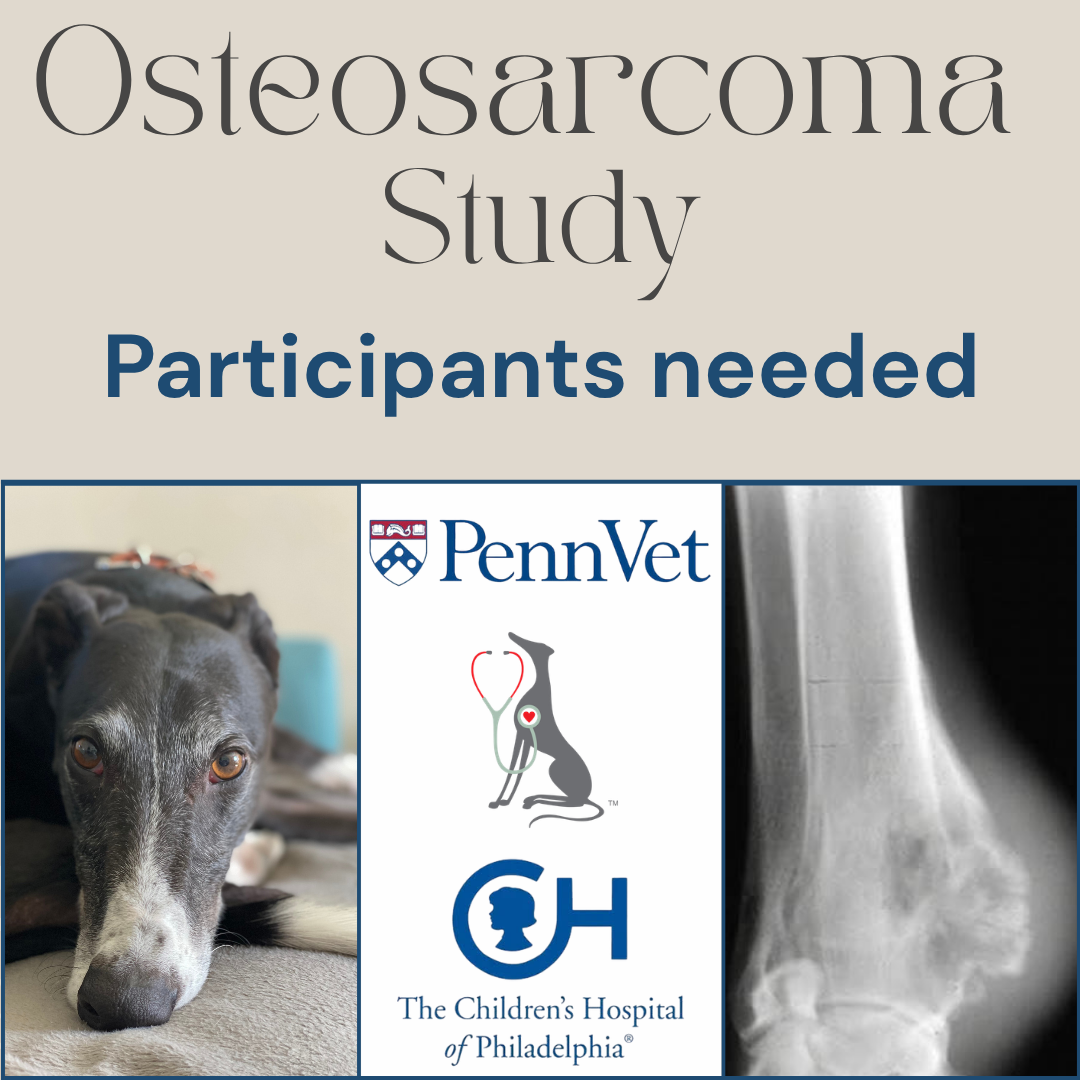
PennVet & CHOP research teams are exploring a new cell-based immunotherapy for dogs with OSA. Fresh tumor samples collected during amputation are needed for processing. Click here for more information on participating in this study.
Learn More about Osteosarcoma
Nothing Found