One Sample, Two Hospitals, Endless Hope: Greyhounds Power Breakthrough OSA Research
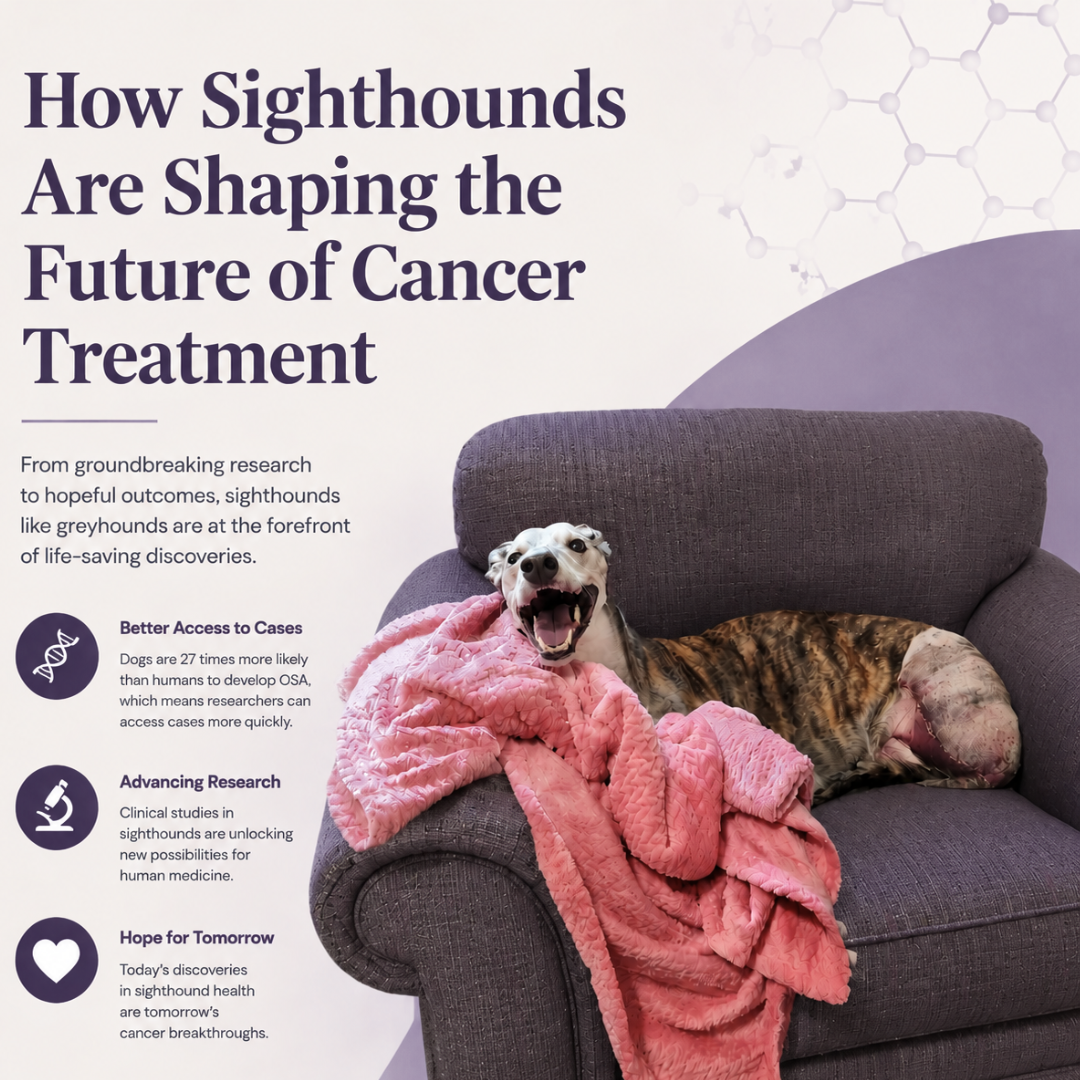
At The Greyhound Health Initiative (GHI), every Cancer Warrior carries a story of courage and possibility. Today, that story is fueling a powerful partnership between the University of Pennsylvania School of Veterinary Medicine (PennVet) and the Children’s Hospital of Philadelphia (CHOP). Thanks to the generosity of Greyhound families, a single post‑amputation osteosarcoma (OSA) sample now powers research in two world‑class institutions—doubling its impact, accelerating discovery, and expanding hope.
Greyhounds Are Leading the Way Toward New Treatments
Through a unique collaboration between GHI and PennVet’s Comparative Immunotherapy Program, leftover tumor tissue from amputations is sent to Dr. Nicola Mason’s research team, where it fuels groundbreaking immune‑based studies.
“Osteosarcoma in dogs and people is immune responsive,” explains Dr. Mason. Her team has now shown:
- T cells can be isolated from Greyhound tumors
- These tumor‑infiltrating lymphocytes (TILs) can be expanded in the lab
- TILs can be activated by the tumor itself
- In some cases, these T cells can kill osteosarcoma cells
These early findings lay the foundation for a future T‑cell therapy for bone cancer, offering hope for Greyhounds and children alike. A scientific manuscript describing these results is underway.
Dr. Mason shares, “We are continually inspired by the GreyT community—their courage, generosity, and willingness to share samples at the hardest moments so we can learn how to fight this disease.”
CHOP Update: Organoids Are Accelerating Discovery
The same Greyhound sample powering PennVet’s immune‑therapy research is also advancing pediatric cancer science at CHOP.
Using leftover tissue from osteosarcoma surgeries, CHOP researchers are creating 3‑D organoid models—miniature versions of a dog’s tumor grown in the lab. These organoids allow scientists to:
- Test multiple drugs on the same tumor
- Identify which treatments show the strongest response
- Generate more meaningful, cross‑species data
- Shorten the path from discovery to cure
CHOP shares: “Thanks to the Greyhound Health Initiative for connecting us with owners who want to contribute tissue to this important work.”
Why This Matters
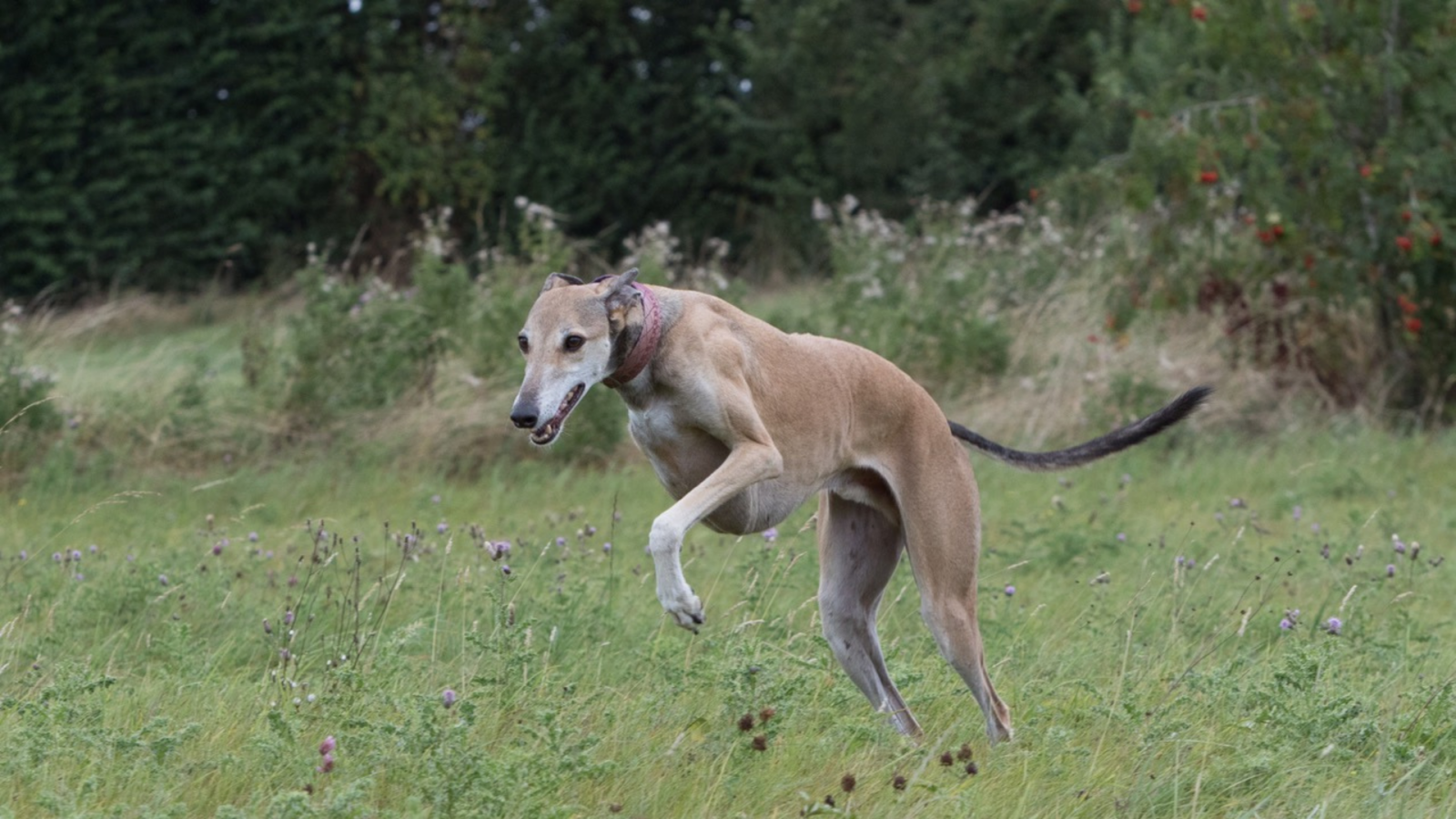
Greyhounds are uniquely predisposed to osteosarcoma, making them essential partners in understanding this disease. Because amputation is standard care, samples can be collected without additional procedures or risk.
This collaboration:
- Strengthens scientific rigor
- Accelerates discovery
- Opens doors to new therapies for dogs
- Advances pediatric cancer research
- Bridges veterinary and human medicine
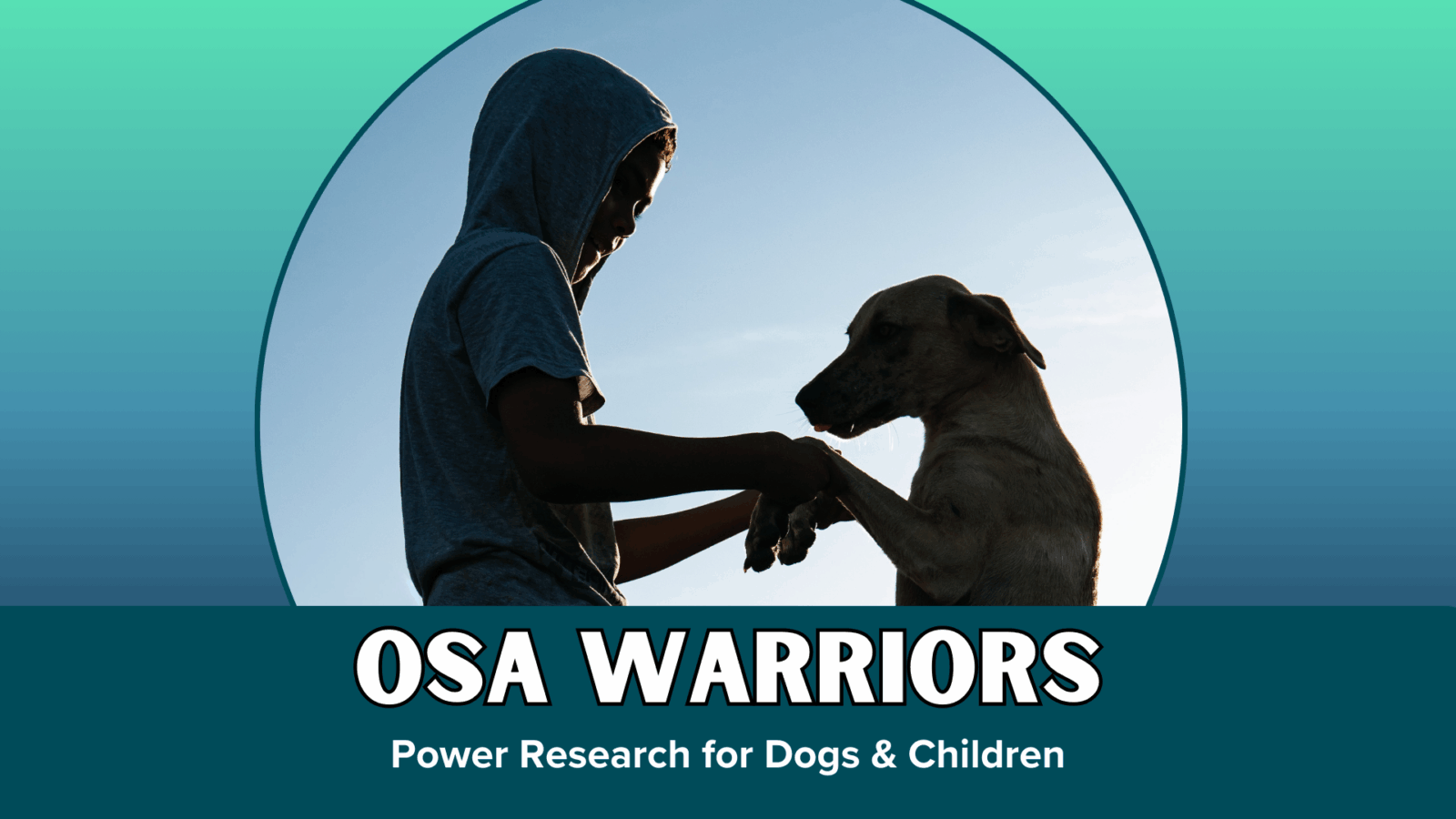
This is translational research at its finest: one Greyhound sample now drives two research pipelines—one at PennVet, one at CHOP—bringing us closer to breakthroughs for dogs and children.
From Greyhounds to children, from one sample to two hospitals, from today’s research to tomorrow’s cures—this is the future we’re building.
At GHI, we are honored to stand at the center of this extraordinary partnership. Every donor, every volunteer, and every Greyhound who gives is part of this remarkable journey. Together, we are turning heartbreak into hope—and hope into progress.