University of Liverpool Corn Research Update
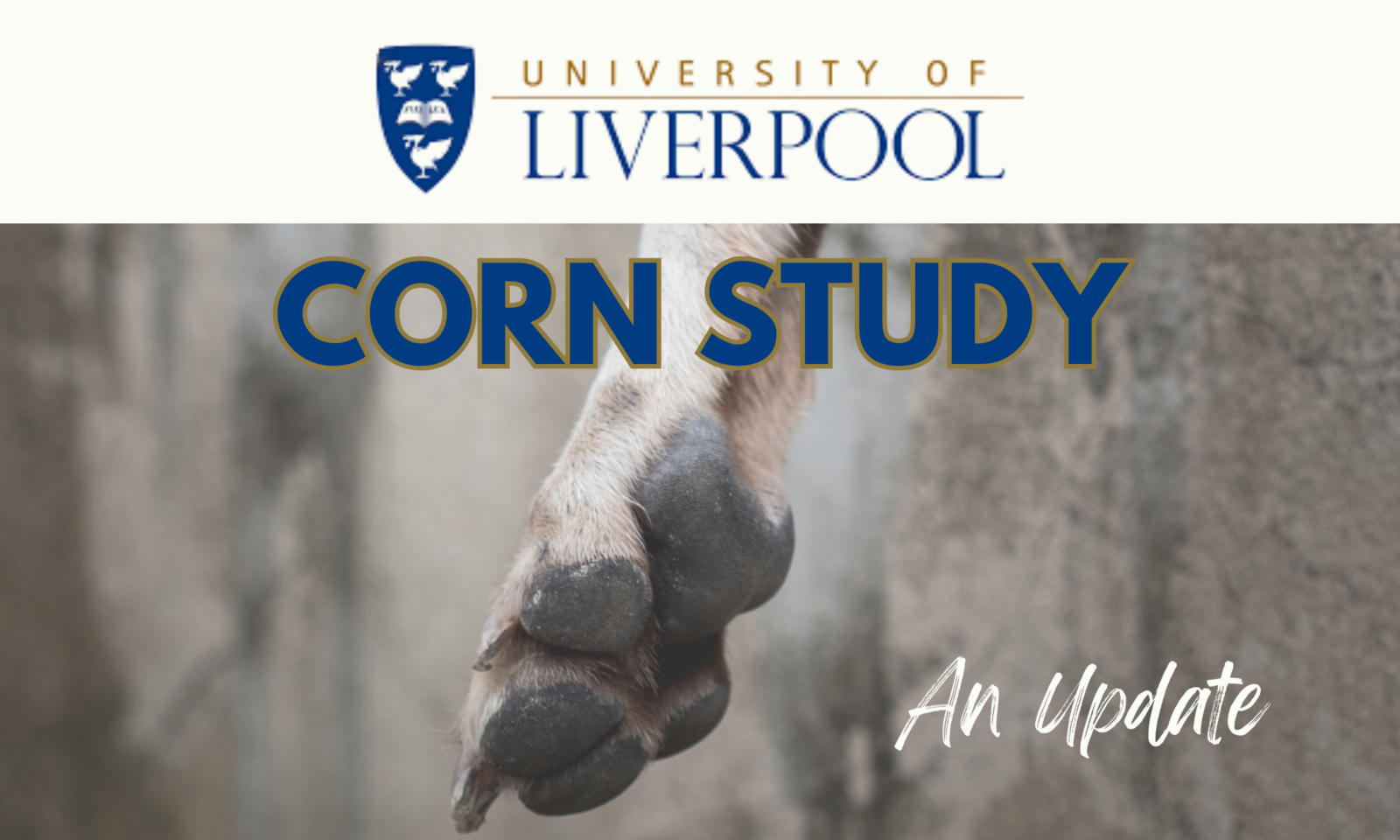
First Biomechanical Data Expected by Year’s End
Our UK‑based corn biomechanics study is progressing strongly, and we’re excited to share that initial data will be submitted for publication in early 2027. This project represents the first quantitative, multi‑modal investigation into how superficial flexor tendonectomy — currently the most effective long‑term treatment for Greyhound corns — affects both foot mechanics and whole‑limb gait.
🔬 What This Study Is Examining
Corns are a leading cause of severe lameness in pet Greyhounds, yet until now, no research has measured how tendonectomy changes the way the foot and limb move. This study is filling that gap by examining:
- Foot and whole‑limb gait changes over time
- Comparisons to healthy Greyhound gait mechanics
- Muscle function and joint loading using advanced computer modeling
To achieve this, the research team is combining a range of gait analysis approaches to capture detailed internal and external motion patterns that have never been quantified in Greyhounds with corns.
🎥 New Gait Comparison
As part of this update, we’re sharing a short educational video that places two dogs side‑by‑side:
- A healthy Greyhound that has not undergone superficial flexor tendonectomy
- A Greyhound after superficial flexor tendonectomy surgery
The video shows both dogs walking at a controlled pace, allowing viewers to observe differences in:
- Toe flexion and extension
- Stride length and limb swing
- Subtle compensatory movements that may not be visible without slow‑motion review
👉 Can you spot the difference in their gait? This visual comparison helps illustrate why biomechanical research is essential. Even small changes in tendon function can alter how the foot interacts with the ground, which may influence comfort, recurrence risk, and long‑term limb health.
📈 What We Expect to Learn From the Initial Data
The first wave of results will focus on:
- Quantified changes in foot motion following tendonectomy
- Baseline comparisons between healthy Greyhounds and those with corns
- Preliminary modeling outputs showing how tendonectomy affects muscle workload and joint forces
These findings will help veterinarians and owners better understand how the procedure works, why it is effective for many dogs, and what biomechanical factors may influence outcomes.
❤️ Thank You to the Participants
This research is only possible because of the dog owners who have generously contributed their time, their dogs’ data, and their trust. Your participation is helping build the first comprehensive biomechanical profile of corn‑affected feet — a foundation that will guide future treatment recommendations and improve quality of life for countless hounds.
See below for more information on this important research:
An integrated experimental-computational study assessing long term biomechanical effects of superficial flexor tendonectomy for corn treatment in Greyhounds
Project Summary
Corns are a common cause of severe lameness in pet Greyhounds. Recently, surgical management of corns by superficial flexor tendonectomy is reported to give the best results in terms of improvement of lameness. However, to-date there has been no quantitative examination of this surgical treatment of corns on the biomechanics of the foot or limb(s) more widely. The overall aim of this project is to investigate the biomechanical consequences of tendonectomy on (1) the affected foot and (2) the overall gait of Greyhounds that present with corns. We will use standard gait analysis tools and cutting-edge x-ray videography to quantify foot and limb motions in healthy Greyhounds and longitudinally in a population of animals undergoing surgical treatment. Using this unique data set we will statistically compare longitudinal changes within the tendonectomy group and compare these to normal Greyhound walking mechanics to elucidate the biomechanical consequences of tendonectomy on the affected foot. Finally, we will use biomechanical computer modeling to quantify the impact of tendonectomy on muscle function and joint loading to provide a wholistic assessment on the impact of the procedure on overall limb mechanics.
Investigators
Investigator 1: Professor Eithne Comerford (EC)
EC is a veterinary orthopaedic surgeon and maintains an active clinical speciality in small animal orthopaedics with a particular interest in canine cranial cruciate ligament disease and rupture and with basic science research interests into companion animal musculoskeletal injuries. She is one of the few clinically trained veterinary scientists having extensive experience in the understudied area of knee joint structure and function directly translatable to both veterinary and medical fields. EC is an international key-opinion leader for her work on the aetiopathogenesis of canine cranial cruciate ligament rupture as evidenced by her invitation to give keynote talks at international conferences such as the American and European Colleges of Veterinary Surgery and British Orthopaedic Research Society. She was awarded the highly prestigious BSAVA Simon Award in 2017 for her contributions to canine ligament biology.
Investigator 2: Dr Karl Bates (KB)
KB is a Senior Lecturer in the Institute of Life Course and Medical Sciences at the University of Liverpool. His research goals are to integrate experimental and computational methods to elucidate links between morphology and biomechanics in animals. He has several ongoing projects working at the interface between experimental and computational biomechanics, including research into changes in human knee tissue mechanical properties and joint kinetics during ageing; investigating links between anatomy, gait and energetics in selectively bred birds; and use of gait analysis as a tool for musculoskeletal health assessment during ageing in companion animals.
Investigator 3: Dr Michael Guilliard (MG)
MG has been in private general veterinary practice throughout his career developing an interest in Greyhound injuries leading to a number of publications and invitations to lecture around the world. His 2010 paper on corns in sighthounds highlighted the mechanical aetiology and the lack of success of conventional treatments. He pioneered the digital flexor tenotomy and tendonectomy procedures having now performed these surgeries on over 400 corn cases. He has been awarded the highly prestigious BSAVA Simon Award for his contributions to small animal surgery. In 2012 he was made a Fellow of the Royal College of Veterinary Surgeons for his thesis on distal limb injuries in the racing Greyhound.